Microblading vs. Eyebrow Micropigmentation: Which One Is Right for You?
There is no universally best technique. There is a more appropriate option for each case.
Why these terms create confusion
Microblading commonly describes a manual stroke technique. Micropigmentation is a broader term that may include different tools and finishes, including strokes, shading, or a combination.
Names vary across countries and training programs. Ask how the service is performed and which result it is intended to create instead of deciding from the label alone.
The visual result behind each approach
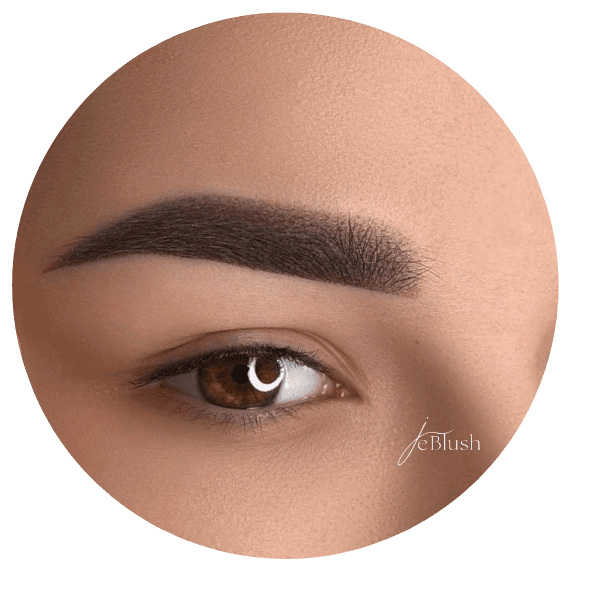
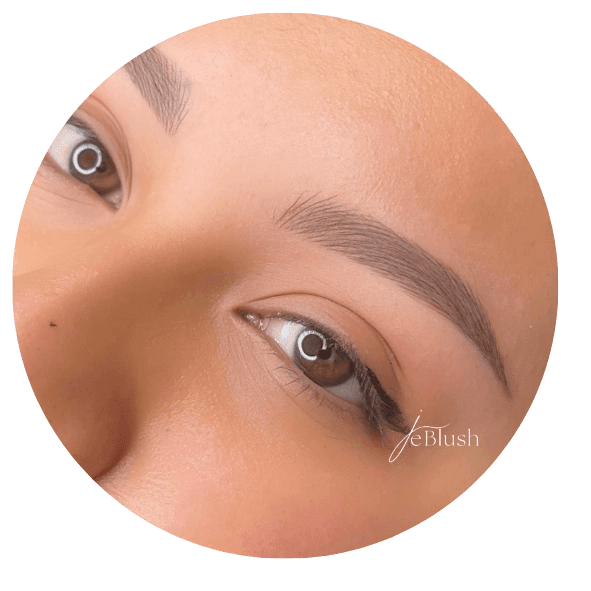
Stroke techniques imitate brow hair and often appeal to clients seeking hair-like definition. Shading creates a blended makeup effect. Hybrid approaches combine both.
Design, color, and intensity must be adapted. The same technique can look very different depending on the artist and the client's individual characteristics.
Assessment matters more than trends
Skin, existing hair, previous work, and expectations can influence the recommendation. It is also important to disclose relevant information requested by the specialist before a procedure.
A responsible professional may recommend another approach, request further assessment, or decline a service. That caution protects the process and expectations.
What to compare when researching studios
Look for healed results when available, consistency across the portfolio, visible hygiene practices, and clear communication. Ask about the process, follow-up, and provided care instructions.
- ●Personalized assessment.
- ●Clear explanation of technique and finish.
- ●Transparent policies and consent.
- ●Defined follow-up.
The final decision should be personal
Do not use this article to diagnose which technique you need. Its purpose is to help you ask better questions before a consultation.
During a professional assessment, the artist can review your brows and explain whether strokes, shading, a hybrid, or another option makes sense for you.